Pavement Press: A Leader’s Discipline for the Unscripted Doorstep Interview
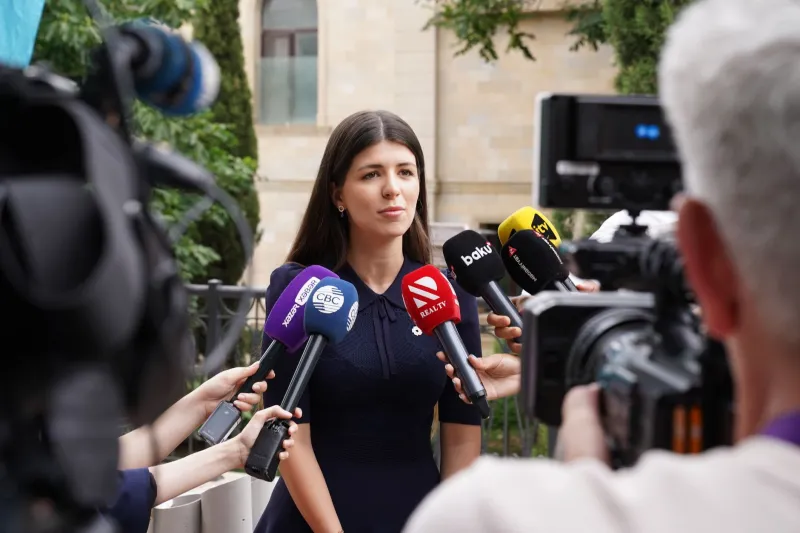
When a camera crew appears at the end of a site visit or outside a board meeting, the leader faces a form of communication that is neither a formal interview nor a private conversation. It is a doorstep encounter: public, immediate and often unplanned. The question is rarely whether the leader can speak well in a studio. It is whether they can hold a clear line while standing on a pavement, with traffic noise, a microphone and a deadline pressing in. A short discipline helps. The following protocol is designed for media training and crisis preparation in UK organisations, from Glasgow offices to Aberdeen sites and public bodies across Scotland.
The doorstep is not a smaller interview
A scheduled interview has a beginning, an agreed subject and an end. A doorstep encounter has none of these certainties. The journalist may have one question or ten. The camera may be recording before the leader has decided to take part. Bystanders may interject. The leader may be walking, carrying papers or accompanied by colleagues who are not briefed to speak. Treating the doorstep as a minor version of a formal interview is the first mistake. It requires its own method: brief, bounded and repeatable.
Decide first: engage, defer or decline
Before any words are spoken, the leader should make a conscious choice. Engaging is appropriate when there is a legitimate public interest, when the organisation has a clear position and when a short statement will not prejudice legal or regulatory processes. Deferring is appropriate when the matter requires facts that are not to hand; the leader can say that a response will come from the press office by a stated time. Declining is appropriate when the matter is confidential, sub judice or outside the leader’s authority. In that case, a brief explanation is better than a bare 'no comment', which can sound evasive. The key is not to drift into an interview simply because a camera is present.
Buy time without appearing evasive
The first thirty seconds should establish control without confrontation. Stop walking. Face the journalist. Let the microphone settle. A short, courteous opening buys time: 'I can give you a brief comment on the decision itself.' Or: 'Let me be precise about what I can confirm.' This is not delay for its own sake. It signals that the leader is choosing to speak, not being ambushed into a response. It also allows a moment to recall the organisation’s line. If the journalist asks several questions at once, ask which one they would like answered first. That is not weakness; it is a request for order.
Choose one line that can stand alone
The most common failure in unscripted encounters is the scattered answer: several points, no memorable sentence. The leader should decide on one line that can be broadcast without context and still be accurate. It should acknowledge the issue, state the organisation’s position or action, and point to what happens next. For example: 'We recognise the concern about delays at the site; additional staff are now in place and residents will receive an update on Friday.' That sentence is not a full account, but it is a clear one. It can be repeated.
Around that line, two or three supporting facts are enough. The leader should not attempt to deliver a briefing note from memory. If a question moves away from the chosen line, bridge back: 'The central point is...' Or: 'What I can confirm is...' Bridging is not evasion when the line is honest. It is message discipline.
Manage tone before body language
Tone carries more weight on a doorstep than in a studio. Ambient noise encourages people to speak louder and faster. The leader should deliberately slow down, lower the pitch and shorten sentences. A calm voice is more authoritative than a polished phrase delivered at speed. Facial expression should match the seriousness of the subject. A fixed smile during a question about safety or service failure reads badly. Nor should the leader mirror hostility. The aim is steady concern, not performance.
Body language should be open but still. Feet planted. Hands visible. Arms unfolded. If the leader is walking, they should stop before answering; walking and talking divides attention and produces a jerky camera image. Look at the journalist, not the lens. Remove sunglasses if worn. Put down bags or papers. Colleagues should stand slightly back and not interject unless previously agreed. On a Scottish street in winter, the instinct to keep moving is strong; the discipline is to stop, answer and then move on.
Know when to stop
A doorstep answer has a natural end. Once the line has been delivered and one or two clarifications given, the leader should close. 'That is all I can say at this stage.' 'Thank you.' Then walk away without further comment. The temptation is to fill silence, to add a personal aside or to answer one more question. That is where messages unravel. If the journalist follows, the leader can repeat: 'I have given you my statement; the press office will follow up.' No off-the-record remark should be made once the interview is under way. The pavement is not a private corridor.
Build the protocol into training
A protocol on paper is useful; a protocol practised outdoors is better. Media training should include doorstep simulations: a colleague with a phone camera, a noisy street, questions that arrive mid-sentence. Spokespeople should carry a simple card with three elements: the one line, two supporting facts and the closing phrase. The press office should know who is authorised to speak and how follow-up will be handled.
The doorstep is one of the most testing environments in public communication because it removes the trappings of the formal interview. What remains is the leader’s judgement, voice and message. A calm protocol does not make an unplanned encounter easy. It makes it manageable — and that is usually enough to protect both the organisation and the public’s understanding of it.