The Second Stage: Hosting Questions with Composure and Authority

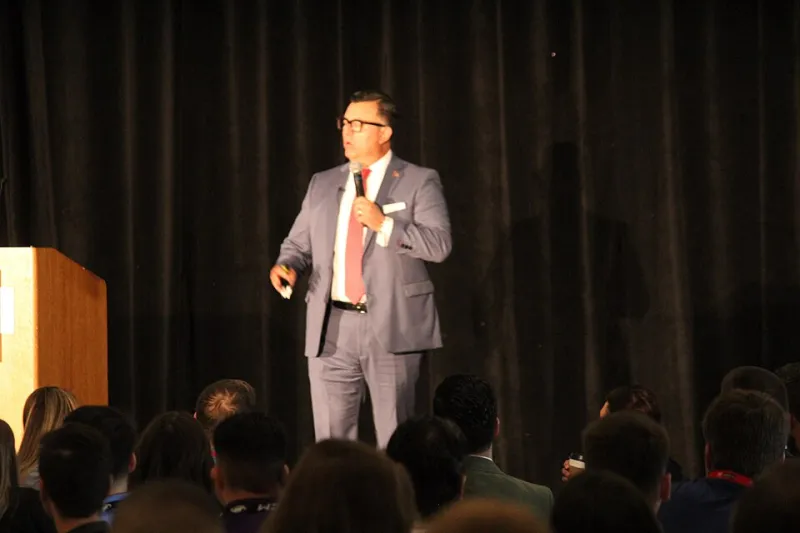
Photo: speaker answering audience questions panel discussion conference, via i5.walmartimages.com
The room changes when the slides stop
A presentation can be rehearsed until it is smooth. The question-and-answer session cannot. That is why Q&A is where a speaker’s authority is truly tested. The slides have ended, the notes are closed, and the audience now has permission to probe. For leaders and spokespeople across the UK, this is the second stage. It demands a different discipline: not presenting, but hosting.
Hosting means managing the room, the questions, and your own reactions with composure. It means treating the Q&A as part of the communication, not as an administrative afterthought. The speaker who hosts well sounds credible long after the final slide has faded.
Prepare the questions you hope nobody asks
Preparation is not about scripting every answer. It is about reducing the number of surprises. Before any significant presentation, gather the team and list the questions that would be most uncomfortable. Then list the ones that are most likely. The overlap is usually large.
For each question, agree three things: the direct answer, the supporting evidence, and the message you want to leave behind. The direct answer should be one sentence. The evidence should be a fact, an example, or a figure. The message should connect back to your central point. This is not evasion. It is structure.
Answer, evidence, bridge
The answer-evidence-bridge format is a reliable way to stay concise under pressure. Answer the question directly first. Do not warm up with background. Then provide the evidence that makes the answer credible. Finally, bridge to the wider point you want the audience to remember.
For example, if asked whether a project is behind schedule, the answer is: Yes, the current phase is three weeks behind. The evidence is: The delay comes from a supplier issue that we identified in September. The bridge is: We have rephased the work and remain on track for the March completion date. The speaker has not hidden the problem. They have hosted it.
The format also prevents the common failure of answering a different question. When under pressure, speakers often drift towards the material they know best. The bridge should be a connection, not an escape.
When the question is hostile or the interruption comes
Hostile questions are rarely about the facts alone. They are often about emotion, status, or a sense that the speaker has not acknowledged a concern. The first move is to stay calm and avoid mirroring the aggression. A short pause is not weakness. It is control.
Acknowledge the question without accepting its framing. For example: That is a fair challenge, and I want to address the point about cost directly. Then answer, provide evidence, and bridge. Do not repeat a hostile phrase back to the audience. Repetition gives it another life.
Interruptions require a different kind of hosting. If someone cuts in, hold the floor briefly and name the process: I am going to finish this point, and then I will take your question. This is not confrontation. It is chairing. The audience usually welcomes a speaker who keeps the session fair.
Rehearse as a team, not as a solo performance
Many organisations rehearse the presentation and leave the Q&A to chance. That is a mistake. Q&A is a team sport when there is more than one spokesperson. Decide in advance who fields which topics. Agree handover phrases: My colleague leads on that area; she will take it. Practise the handover so it sounds natural rather than territorial.
Team rehearsal also exposes gaps. One person may be confident on the financial figures but hesitant on the operational detail. Another may be strong on policy but prone to over-explaining. The rehearsal is the place to find this out, not the conference hall.
The host’s mindset
Authority in Q&A does not come from having every answer. It comes from composure, clarity, and respect. The speaker who says I do not have that figure, but I will follow up is more credible than the one who invents a number. The speaker who listens to the whole question is more credible than the one who interrupts with a prepared line.
The Q&A is not an appendix to the presentation. It is the part where the audience decides whether to believe you. Host it with the same care you gave the slides, and your authority will last longer than the applause.